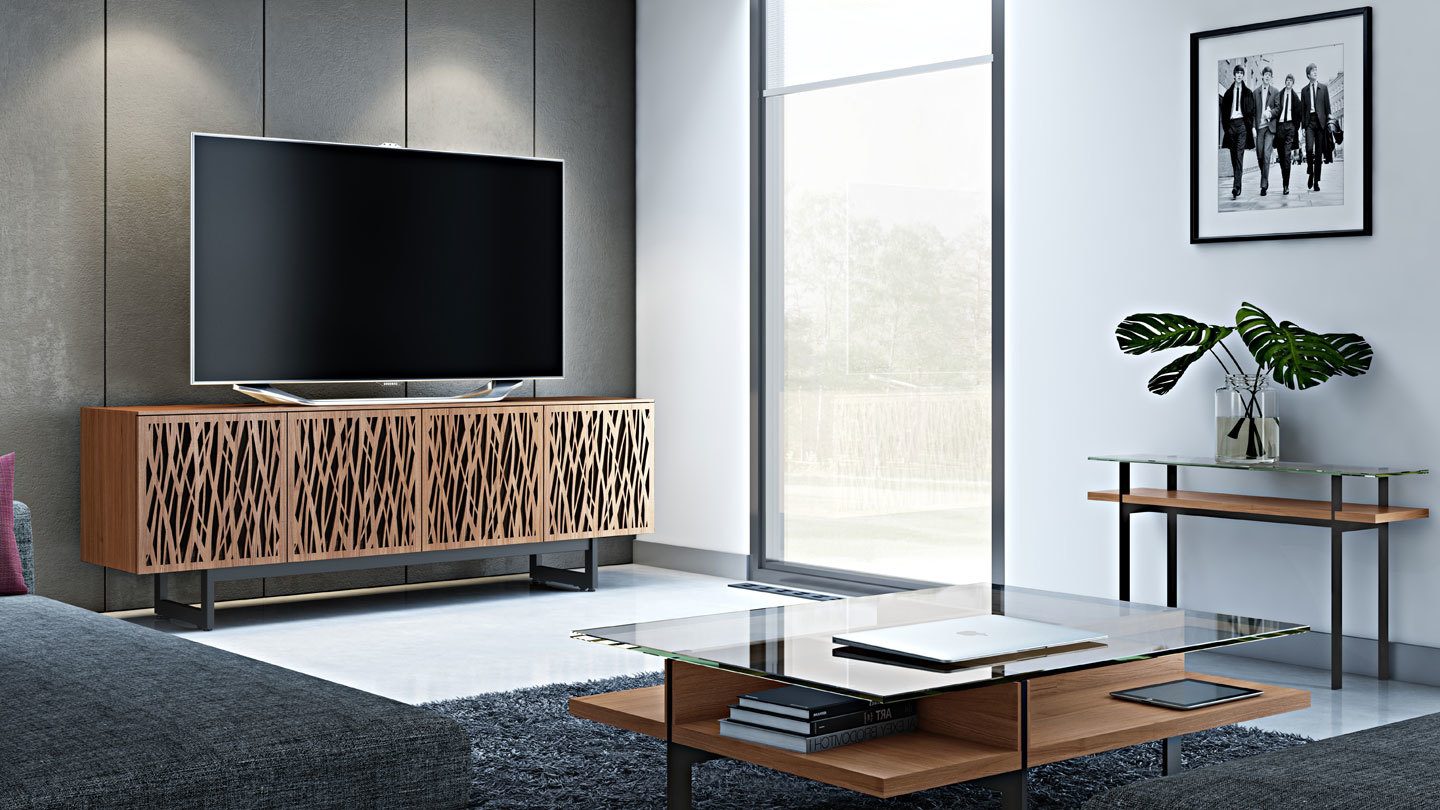
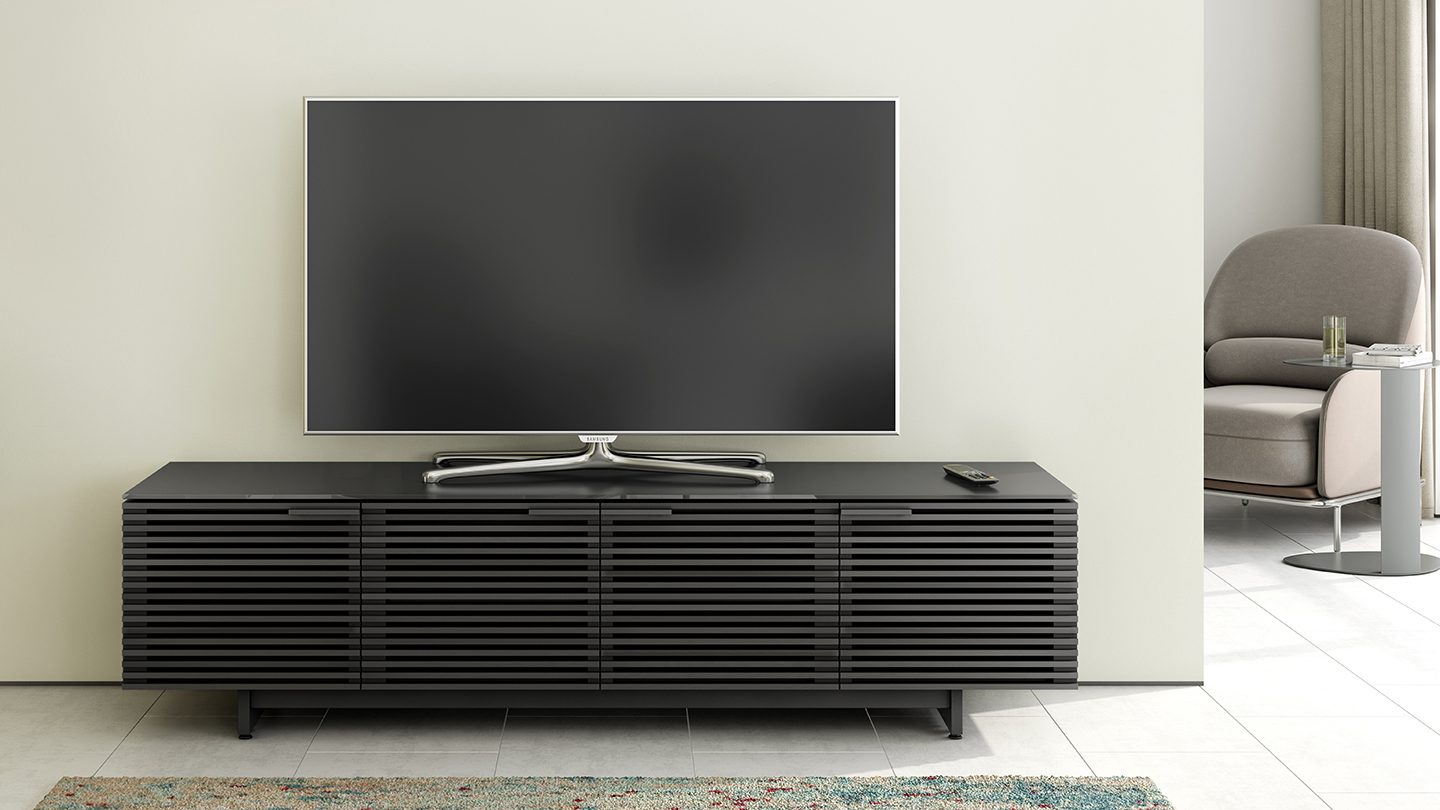
Elements Media Console 8779 Bdi Wh Me Wl About Bdi 1440

The words “modern” and “contemporary” get thrown around together a lot, often used interchangeably to refer to something that’s happening now, in the present — for example, “modern love” and “contemporary fiction.”

When it comes to art and design, there is an important difference between modern and contemporary.

The term “modern” in the design world comes from the Modern art movement, which spanned between the 1860s and 1970s. Modern artists explored new approaches to seeing and portraying nature and art in their work. This is captured, for instance, in the work of Manet, Monet, Picasso, and Matisse.

Modern furniture design developed along with the Modern art movement, and mid-century modern refers to furniture design specific to the 1950s and 1960s.
Key Takeaways: Modern vs. Contemporary Design

Modern and contemporary design often overlap, but they describe different ideas: modern refers to an established historical movement, while contemporary reflects what is current today.

  1. Modern design refers to a specific historical movement. It developed alongside Modern art and includes styles such as mid-century modern, which became especially influential during the 1950s and 1960s.
  2. Contemporary design describes what is happening now. Because it follows current tastes, technology, and lifestyles, contemporary design continues to evolve over time.
  3. Modern interiors emphasize clean, uncomplicated forms. Common characteristics include clean lines, minimal ornamentation, open profiles, and furniture raised above the floor to create a lighter, airier appearance.
  4. Natural and industrial materials can work together. Wood, leather, and teak are closely associated with modern design, while plywood, plastic, glass, and polished metals also became important parts of the movement.
  5. Modern design can also be contemporary. Mid-century forms remain popular today, so a historically modern piece may still feel current when paired with newer colors, materials, and global influences.
  6. Contemporary furniture responds to present-day needs. Integrated technology, adaptable storage, flexible configurations, and multifunctional features address how people live and work today.
  7. The strongest interiors can combine both approaches. Timeless modern forms and natural materials can provide the foundation, while contemporary features and styling make the space practical and relevant for current lifestyles.
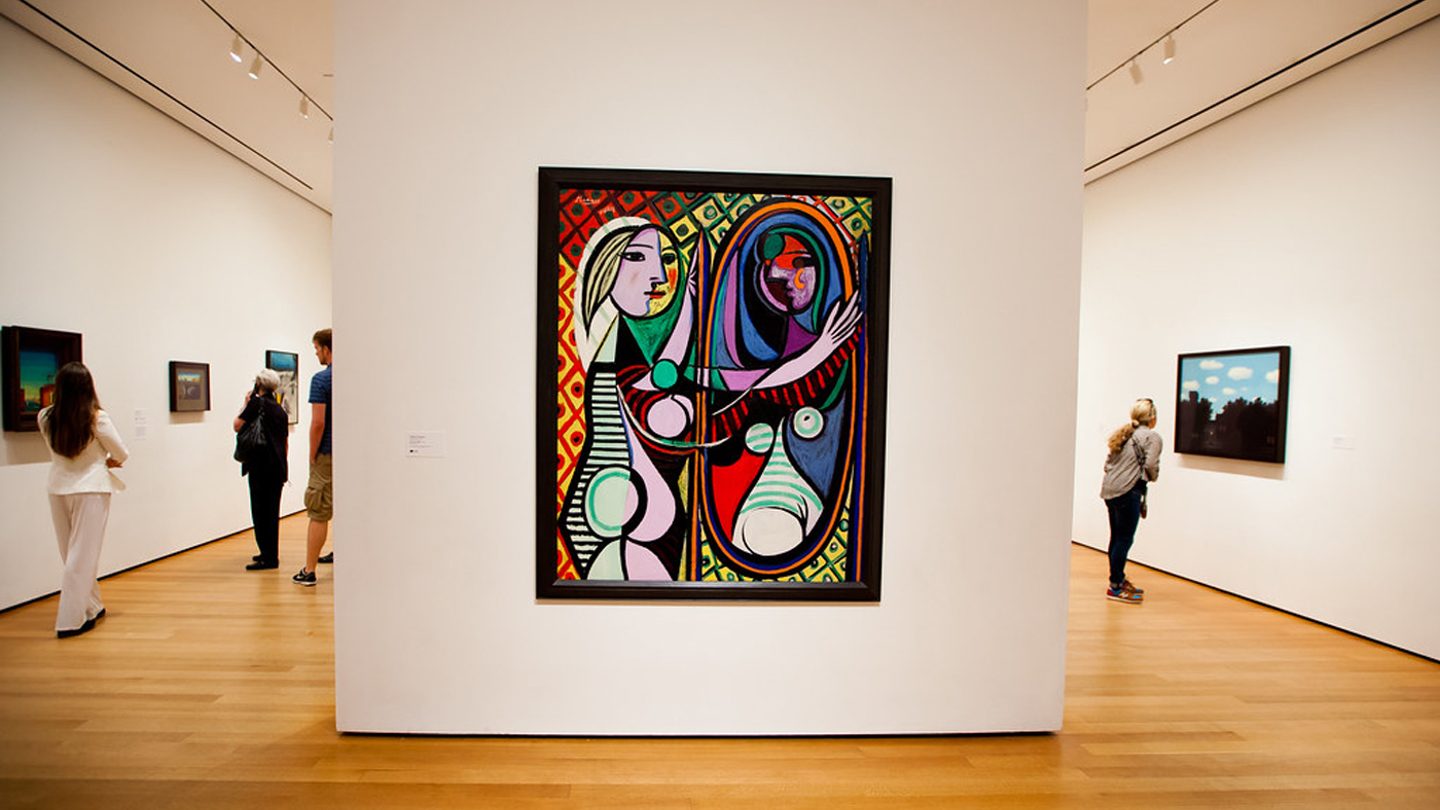
Girl before mirror museum
Modern artists, such as Picasso introduced new mediums and styles of art that helped form the Modern art movement.

Hallmarks of modern interior design — especially when we’re discussing mid-century modern — include clean lines and unadorned structures, often made from natural materials such as wood, leather, and teak. However, plywood, plastic, and polished metals were also featured.

Modern furniture design tended to be open and raised off the ground, contributing to a light, airy feeling.

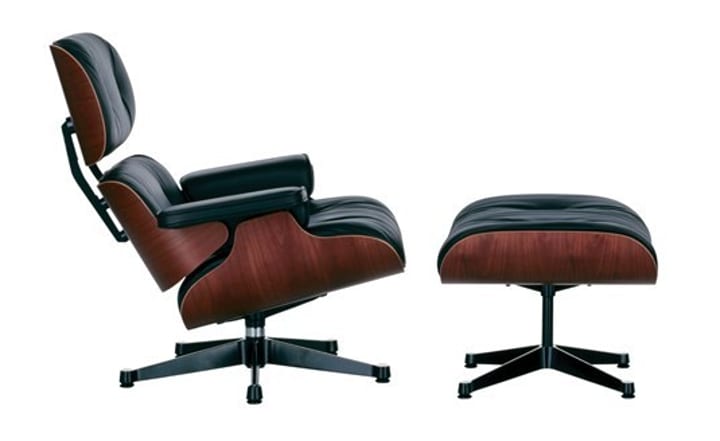
Eameschair

An Eames chair and ottoman.

Iconic examples of modern design include the Eames chair, an elegantly curving lounge chair with ottoman made from molded plywood and leather; Vladimir Kagan, whose pieces recalled natural forms made from wrought iron, cast aluminum, and sculpted wood; and Frank Lloyd Wright, whose “organic architecture” tied his buildings into their environment.

On the other hand, contemporary design means “of the present” and refers to the latest trends. Contemporary designers and artists are those who are living and working today.


In a nutshell, ‘modern’ refers to a specific point in time, and what is considered modern will always be modern. ‘Contemporary’ refers to what’s happening now, and what is regarded as contemporary today will not be regarded as contemporary in 20 years.

That said, the modern movement is currently having a moment, and therefore it’s accurate to say that what’s modern style is also part of contemporary style — for now. And this time around, modern style gets an update when paired with pieces that reflect global influence and eclectic tastes.

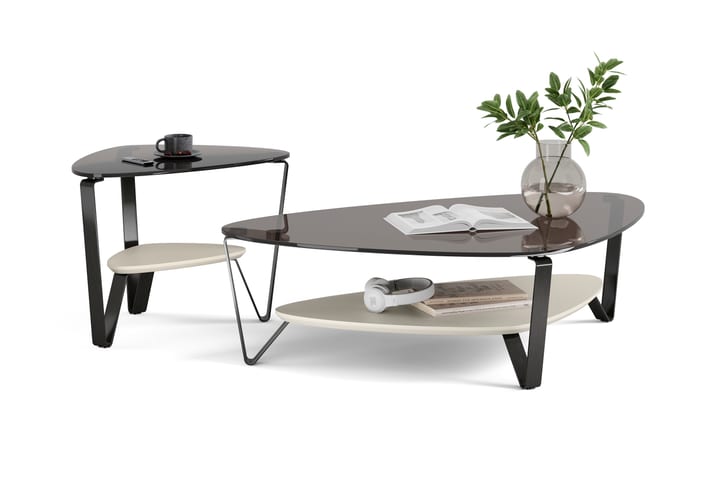
BDI Dino Lge Coffee 1363 End Table 1367 Stone Grey Propped

BDI’s Dino tables merge modern and contemporary design by mixing wood, metal, and glass materials.

At BDI, our designers take inspiration from mid-century modern forms. We love the modern movement’s clean lines and natural materials, which feel all at once controlled and organic. 

However, we consider contemporary concerns, such as the owner’s relationship to technology and today’s busy lifestyles that demand flexibility.

So, is BDI modern or contemporary? We’d say we’re the best of both worlds!