Kava bed BDI sleep hygiene blog couple asleep 1920x1080

In today’s always-on world, quality sleep is no longer a luxury—it’s a necessity. Yet over one-third of American adults regularly get fewer than 7 hours a night, increasing their risk of mental distress, immune dysfunction, and heart disease.

But improving your sleep isn’t just about getting to bed earlier. Research shows that both your daily habits and bedroom environment can have a profound impact on your ability to rest.

That’s the idea behind sleep hygiene—a set of science-based practices that support better, more consistent sleep. And by integrating thoughtful design choices into your space, you can make healthy habits easier to adopt—and turn your bedroom into a sanctuary for real recovery.


Key Takeaways: Designing a Bedroom for Better Sleep

Healthy sleep habits and thoughtful bedroom design can work together to create a calmer, more restorative environment.

  1. Establish a consistent wind-down routine. Keeping regular sleep and wake times, reducing screen exposure, and choosing calming activities before bed can help prepare your body for rest.
  2. Create a cool, dark, and quiet sleep environment. Blackout curtains, comfortable bedding, reduced noise, and a room temperature between 60 and 67 degrees Fahrenheit can support better sleep.
  3. Reduce visual and digital clutter. Organized nightstands, concealed cords, and integrated charging make it easier to keep devices nearby without allowing them to dominate the room.
  4. Choose furniture that supports comfort and calm. A supportive bed, quiet construction, soft lighting, and accessible storage can help make healthy nighttime habits easier to maintain.
  5. Remember that better sleep starts during the day. Morning sunlight, regular movement, and mindful use of screens can help regulate your circadian rhythm and prepare your body for the night ahead.

Build a Sleep-Supportive Routine

Establishing a calming nighttime routine helps signal to your brain that it’s time to rest. Consider the following:

  • Stick to a consistent schedule. Go to bed and wake up at the same time every day—even on weekends—so your circadian rhythm adjusts.
  • Wind down before lights out. In the last 30–60 minutes before bed, low-stimulus activities in warm, soft ambient lighting—like a warm shower, soft music, or reading—can help your mind relax.
  • Limit screen exposure before bed. Give your digital life the night off. The blue light from screens can disrupt melatonin production and keep your brain alert. (sleepfoundation.org, 2025
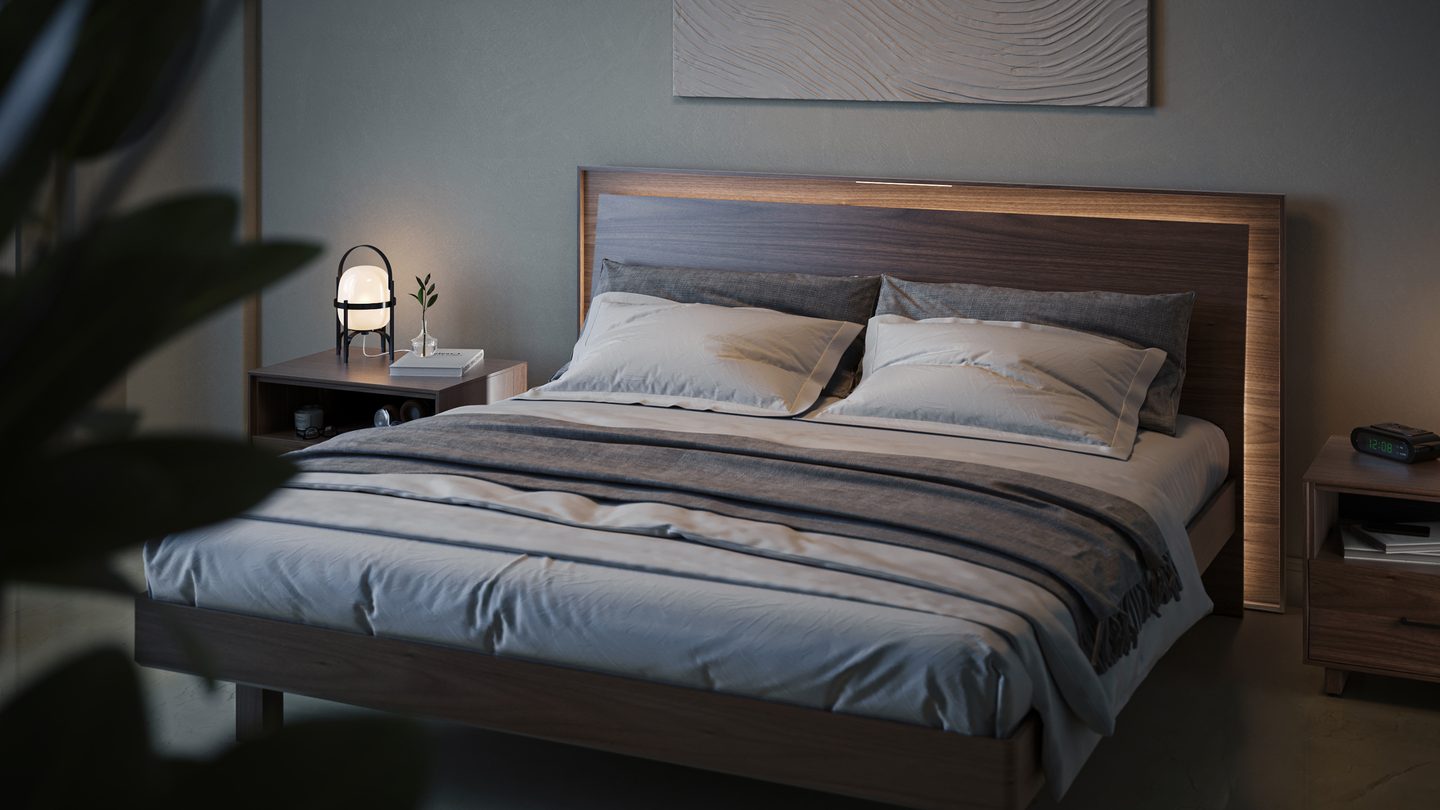
BDI Tip: BDI beds feature dimmable accent lighting integrated directly into the frame—perfect for soft, pre-sleep illumination without the harshness of overhead lights.
Man reading in bed
Woman making the bed

Create the Ideal Sleep Environment

Your bedroom should do more than look good—it should actively support rest. (VeryWell Health, 2025

  • Keep it cool. The ideal room temperature for sleep is 60–67°F (15.6–19.4°C), helping your body naturally drop into sleep mode.
  • Block out light. Invest in blackout curtains or use an eye mask to eliminate light pollution that disrupts melatonin.
  • Quiet the space. White noise machines, fans, or earplugs can reduce disturbances and help you stay asleep.
  • Prioritize comfort. A supportive mattress, breathable bedding, and a clean sleep surface matter more than many may give credit to.
BDI Tip: Both the KAVA and LINQ beds feature a configurable frame, making them suitable for use with mattresses of any size—even adjustable ones. Meanwhile, vibration-dampening wood slats keep your mattress supported and silent—even when you move.
BDI Spotlight

Charging Up While Powering Down

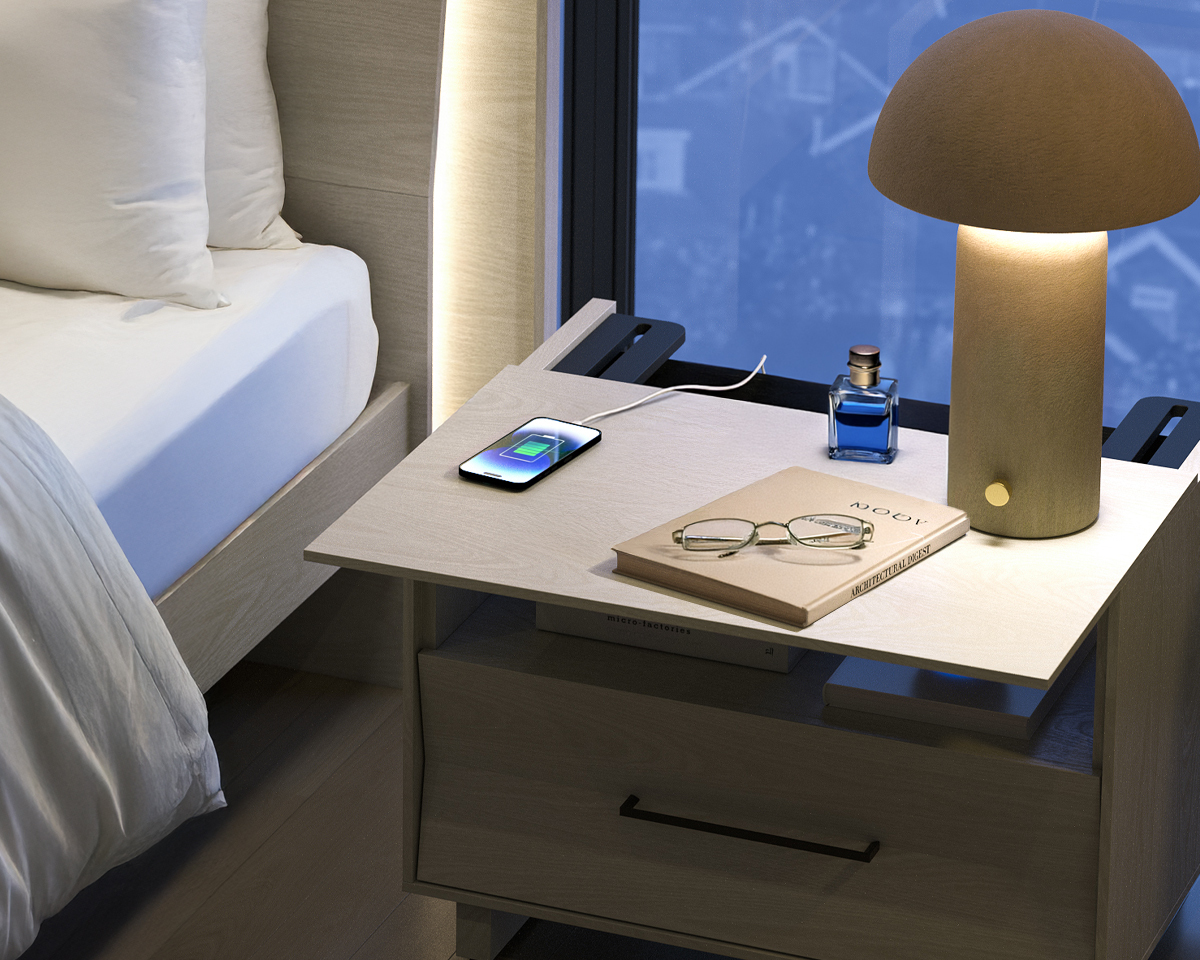
Phone charging inside nightstand power station
Phone resting in headboard shelf while charging

Let's be real. Experts may suggest powering off devices at night—but in practice, most of us keep at least our phone nearby. Whether it’s for morning alarms, meditation apps, or just peace of mind, staying connected is part of modern rest. The key? Keep devices within reach, but out of sight.

That’s where thoughtful design comes in. BDI nightstands feature integrated power stations tucked neatly behind the cabinet. Simply slide the top panel forward to access the outlets, then stash your phone, smartwatch, or other nighttime essentials inside—charging quietly, without taking over your surface space.

Every BDI bed also includes discreet charging ports built into both sides of the headboard. From a shelf designed to cradle your phone while it charges to low-profile cord management that keeps things serene, it’s all about convenience without the clutter.

Avoid These Bad Sleep Habits

Getting better sleep often starts with breaking the habits that interfere with it. From late-night lattes to restless scrolling, small changes can have a big impact. Here are a few proven ways to prep your body—and space—for more restorative rest.

  • Be mindful of evening stimulants. Caffeine, nicotine, and alcohol can all interfere with your ability to fall or stay asleep, even hours after use.
  • Eat light and early. Heavy or spicy meals too close to bedtime can lead to indigestion and disrupted sleep cycles.
  • Keep naps short and sweet. A late or overly long nap can throw off your internal clock and make it harder to fall asleep at night.
  • Don’t force it. If sleep doesn’t come naturally within 20 minutes, get out of bed and try a quiet activity in dim lighting.
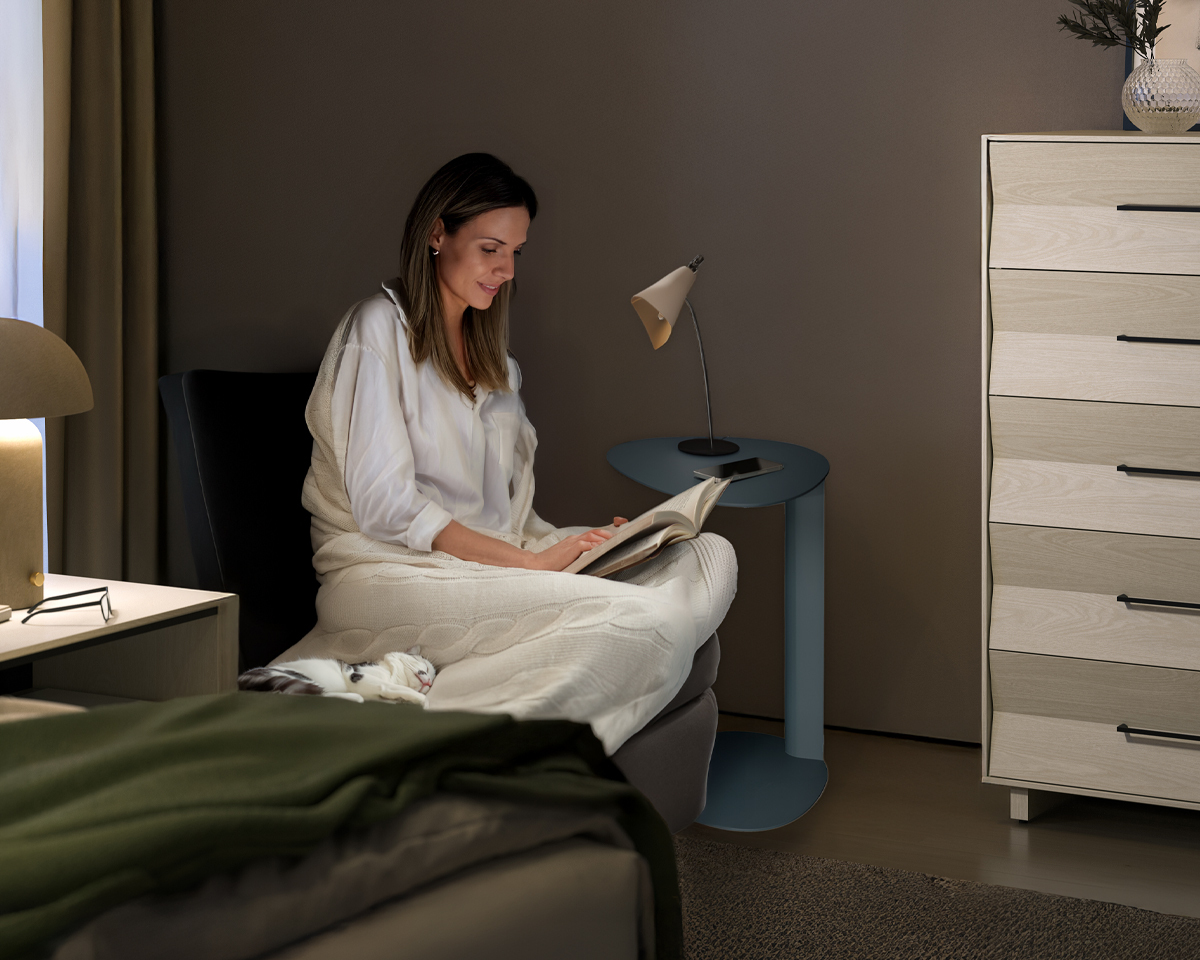
BDI Tip: Creating a reading nook or soft-lit corner within your bedroom gives you a calm, comfortable place to unwind if sleep isn’t coming—without over stimulating your senses.
a woman reading in a chair in the corner of the bedroom
An organized nightstand with storage and an accessory tray

Build a Sleep-Positive Routine

Mental rest is just as vital as physical rest. If your mind won’t slow down, try one of these simple strategies:

  • Write it down. Jot a to-do list or your worries earlier in the evening to clear mental clutter.
  • Practice mindfulness. Gentle breathing exercises, meditation, or box breathing can help signal to your body that it’s time to wind down.
  • Limit stimulation. Avoid intense conversations, fast-paced shows, or emotionally charged content right before bed.
BDI Tip: A calm night starts with a clear surface. Whether you’re grabbing a journal, lavender oil, or earplugs in the dark, having go-to items organized and accessible reduces stress. With so many devices in play—alarm clocks, baby monitors, humidifiers, smart speakers—taming cords and clutter keeps your nightstand serene, not chaotic.

Great Nights Start in the Morning

A good night’s sleep begins with your morning routine. By syncing your habits with your natural circadian rhythm, you can prime your body for better rest.

  • Soak in the sun. Get natural light exposure within 1–2 hours of waking—ideally outside or by a window. Morning light plays a key role in setting your internal clock.
  • Move your body. Light to moderate exercise during the day improves sleep quality. Just skip intense workouts right before bed.
  • Avoid digital distractions. Save emails and doom-scrolling for later—your brain needs time to fully wake without screen stimulation.
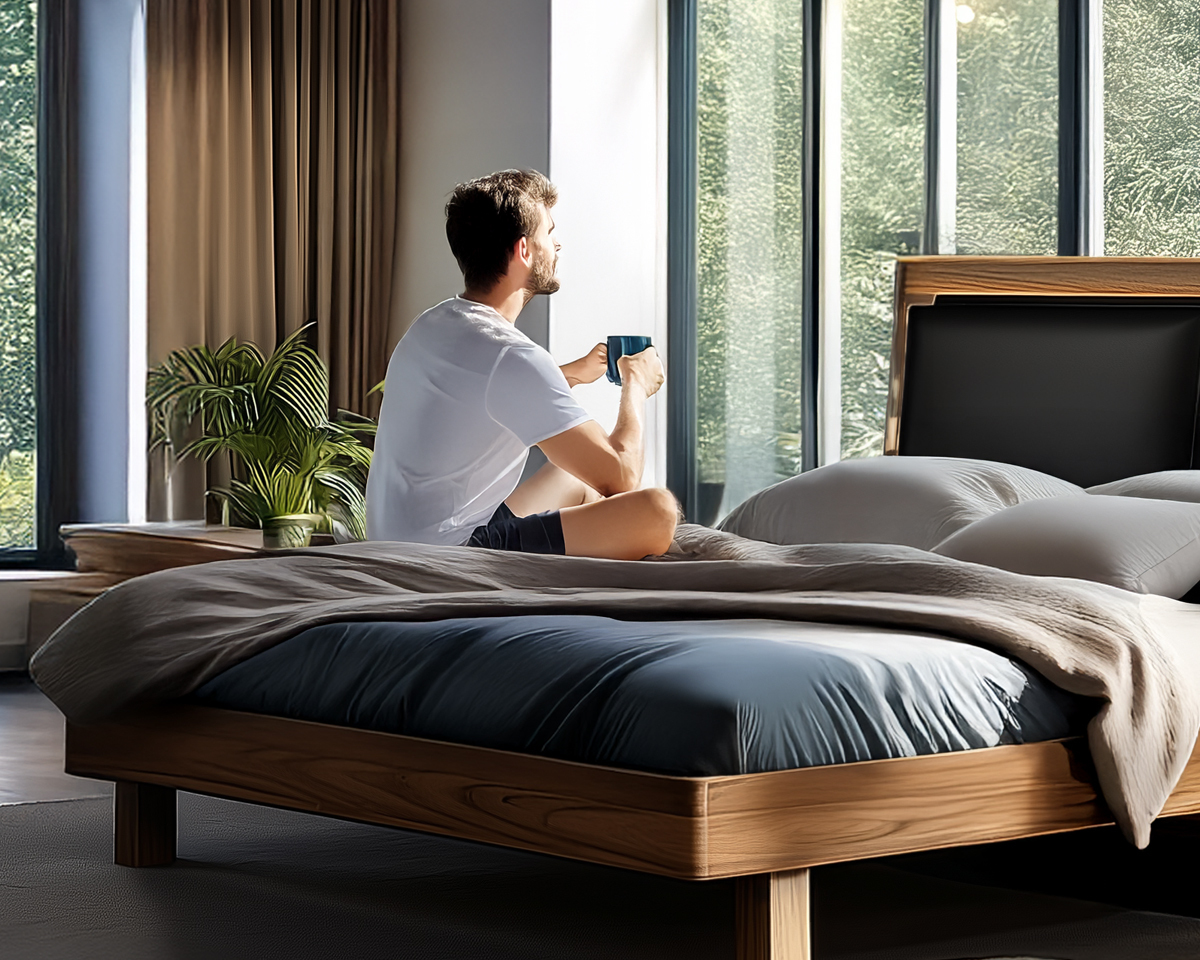
BDI Tip: Letting natural light into your bedroom isn’t just about aesthetics—it’s a powerful way to align your environment with your biology. Consider how your room’s layout can help you wake up more naturally. Beds positioned near windows can give you valuable morning light, while sheer curtains or adjustable shades allow for graduated brightness. Reflective surfaces like lighter woods or soft white walls can help bounce sunlight throughout the space, creating a bright and energizing start to the day—even before your first cup of coffee.
Sunlight filling a bedroom

Better Sleep by Design

Better sleep doesn’t come from a single solution—it comes from intention. When you design your environment to support rest, small choices add up: calming colors, quiet drawers, hidden cords, soft textures, better routines. 

Whether you’re rethinking your habits or your headboard, it’s all part of designing a bedroom that works with your body, not against it. So tonight, take stock. Adjust your lighting. Clear your nightstand. Power down earlier. And if your furniture isn’t helping you rest, maybe it’s time to upgrade that too. 

Start designing your best night’s sleep.
 

Inspiration in your inbox.

Sign up for our newsletter to be the first to know about new product launches, special sales, design inspiration, blogs, and exclusive giveaways.

BDI up linq bed king 9119 nightstand 9182 furniture toasted oak lifestyle sleep smaller

Design Stories

From Concept to Comfort: Designing the BDI Bedroom

At BDI, design is about blending style with smart functionality to improve everyday life. Our approach to the bedroom was no different—rethinking how people rest, recharge, and unwind through thoughtful, future-focused design.
Read More