Kava 9619 king 9686 9600 9682 BDI wok modern platform bed 2026 design trrends hero

As 2026 moves beyond its early predictions, the direction of modern design is becoming clearer. The strongest ideas are not the loudest ones. They are the ones making homes feel warmer, calmer, and easier to live in.

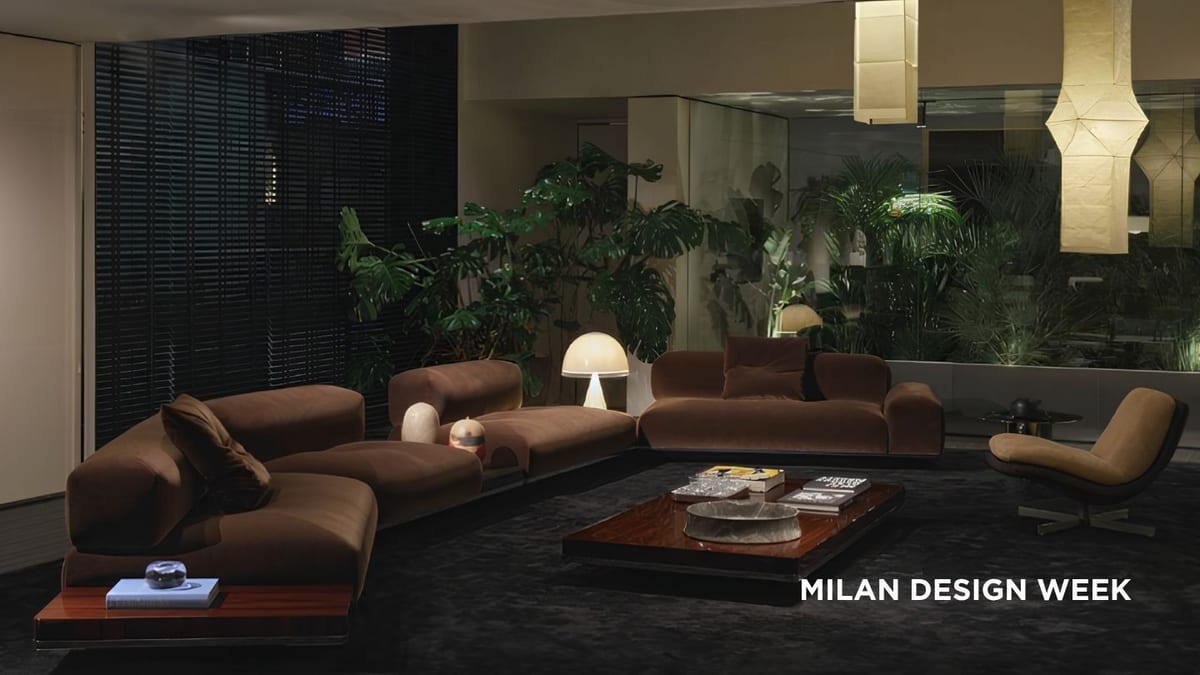
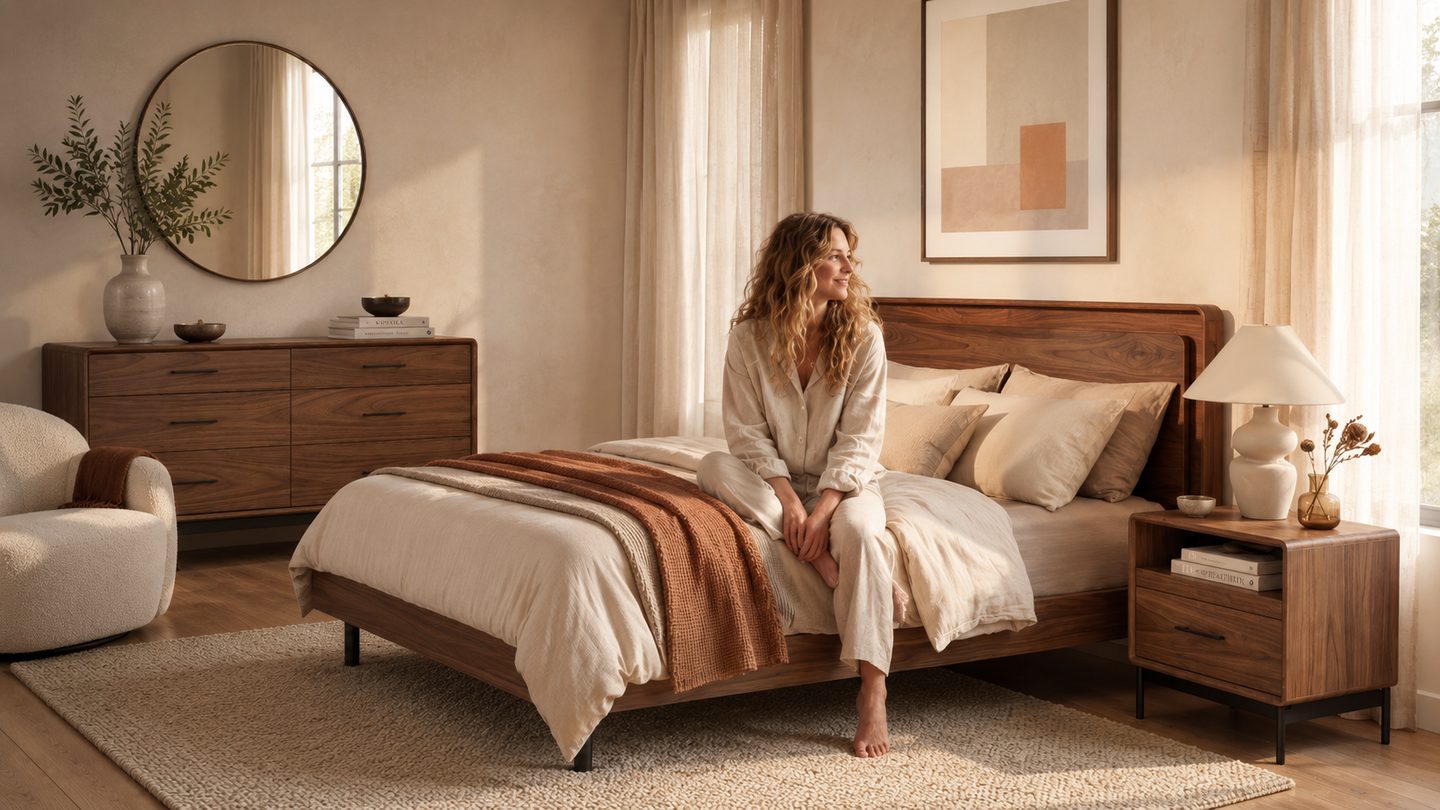
At this year's Spring High Point Market, that shift was visible across showrooms: modern design is not disappearing, it is becoming more personal. Clean lines are still there. What has changed is the way they are being balanced, with warmer materials, layered textures, integrated function, and spaces that feel collected rather than overly controlled.

To break down exactly what this looked like on the showroom floor, BDI’s Director of Product, Jeff Bare, shared his firsthand notes from the market:

"The broader theme felt like modern design with more warmth and personality, still clean and refined, but softer, more tactile, and more livable. There’s a noticeable shift toward spaces that feel collected and comfortable."

For anyone looking to update a home or workspace in the coming months, the most relevant design direction isn't picking a style; it’s asking how you want your space to work. Finding furniture pieces that are calmer, more flexible, and better equipped for your daily life.

Key Takeaways: 2026 Design Trends

The biggest design trends of 2026 point to warmer materials, more personal spaces, hidden technology, and furniture designed to make everyday living easier.

  1. Modern design is becoming warmer and more personal. Clean lines remain, but they are being balanced with softer textures, natural wood tones, and spaces that feel collected and comfortable.
  2. Layered neutrals and natural wood finishes are replacing cooler palettes. Creamy whites, warm beiges, taupes, sage greens, clay tones, muted browns, medium-toned oak, and walnut are helping interiors feel more grounded and inviting.
  3. Organic textures and mixed materials are adding depth. Rounded forms, tactile materials, satin-etched glass, painted surfaces, stone accents, and metal details bring more dimension to modern furniture and interiors.
  4. Furniture is expected to support real life. Storage, cable management, ventilation, charging, flexible layouts, and hidden technology are becoming essential as homes support work, entertainment, and everyday living.
  5. Long-lasting quality is becoming a design priority. Consumers are showing greater interest in fewer, better pieces with authentic character, durable construction, flexible function, and long-term value.
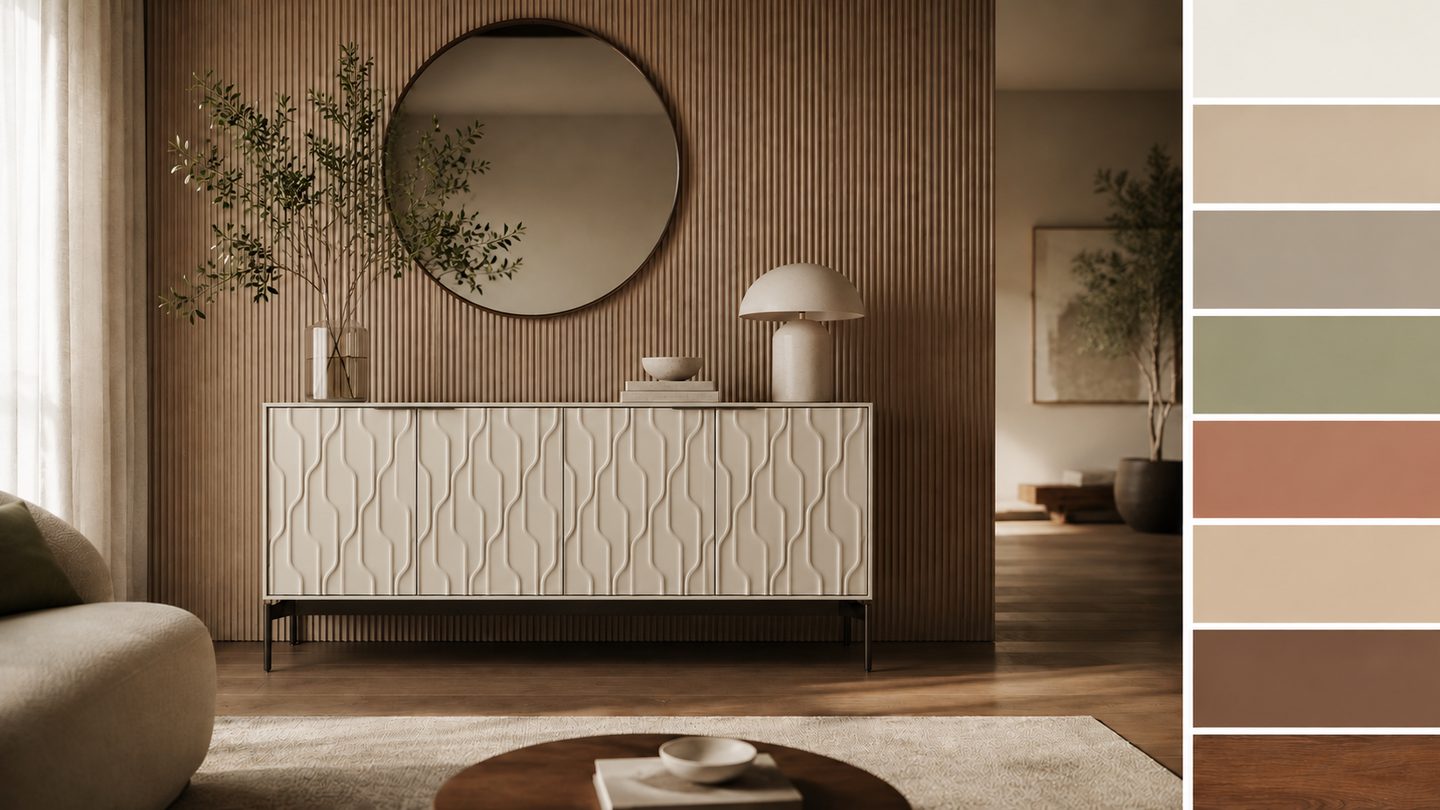
BDI Mesa cabinet with sculpted doors beside a palette of warm and vibrant 2026 color trends.

A Deeper Neutral Warmth

One of the clearest takeaways from the show floor was the steady step away from chilly grays and sterile whites. The rooms that feel the most inviting right now rely on layered neutrals to build visual comfort. We saw a progression of creamy whites, warm beiges, and taupes, frequently grounded by earthy tones like sage green, clay, sand, and muted brown.

This shift in palette directly influences how wood finishes are used. Rather than masking wood surfaces under heavy stains or aggressive bleaching, designers are highlighting the natural variations of medium-toned oak and warm walnut. These natural surfaces are often paired with lighter elements on alternating panels or surrounding cabinetry to create contrast while keeping the look balanced.

To style this look at home, introduce these grounding colors through substantial focal pieces. Instead of standard utility-grade surfaces, choose furniture with practical elements such as integrated drawers, cable routing, adjustable interiors, and ventilation. This helps the visual noise in a room drop significantly. Allowing the rich natural wood grains and warm tones to become the true focal points of the space.

Organic Textures & Mixed Materials

Texture has graduated from being a simple accent throw blanket to a core structural element. The delicate, fine caning and thin lines of previous years are now bolder, more substantial expressions of natural craftsmanship. Showrooms featured weaves of rattan and rope alongside burled wood and deep oaks. 

This philosophy is reshaping furniture design, starting with more approachable silhouettes. Rounded corners, eased edges, curved silhouettes, and sculptural forms are replacing rigid, strictly architectural lines, making a room feel instantly more relaxed. This shift is evident across both plush upholstery and furniture pieces.

Alongside softer shapes, the designs that feel the most sophisticated right now rely heavily on multi-tone layering. Rather than sticking to a single material finish per piece, brands are leaning into two-tone and even three-tone material combinations, like pairing a lighter wood with smooth painted surfaces, stone accents, satin-etched glass, or clean metal hardware details. This technique creates incredible visual depth and a collected-over-time feel without becoming visually busy.

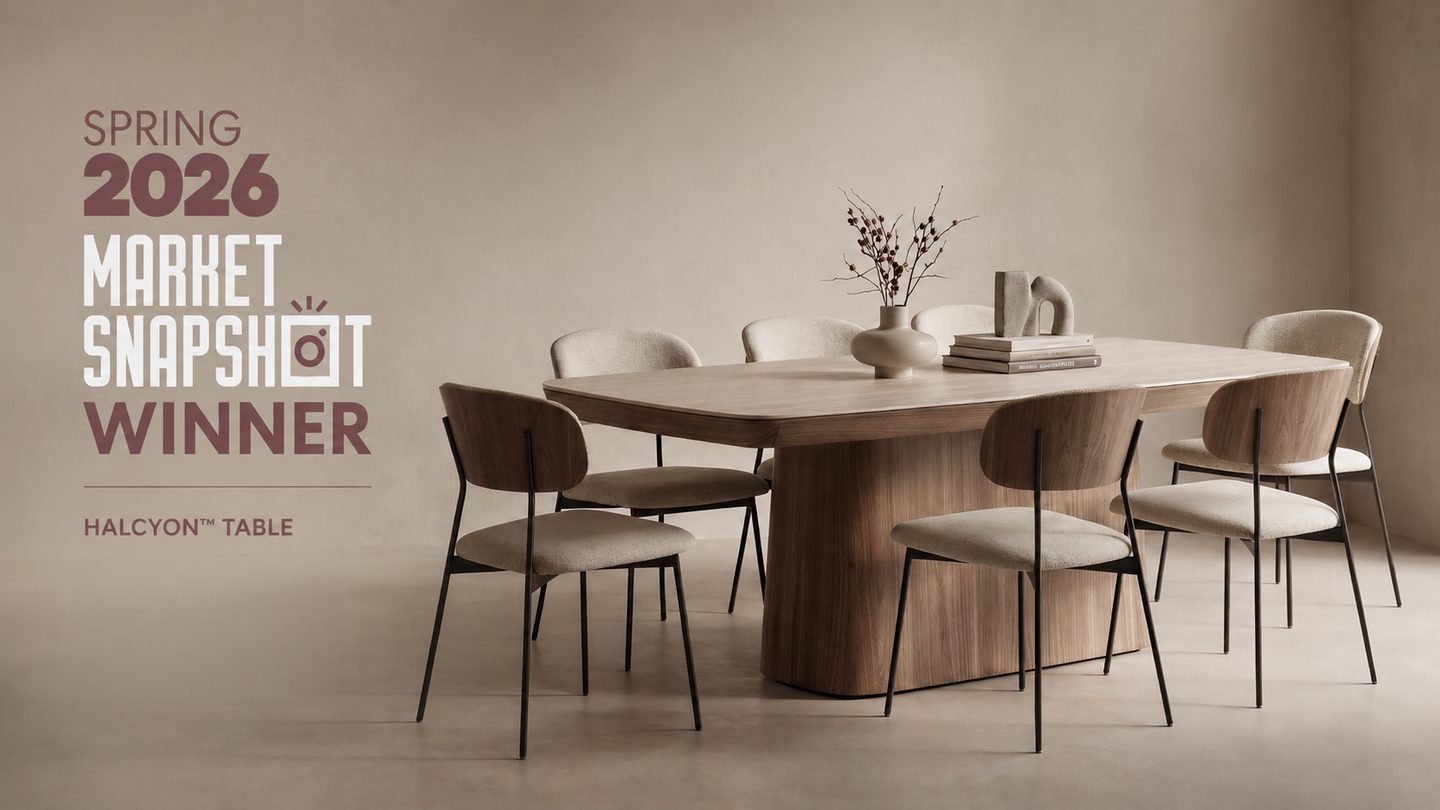
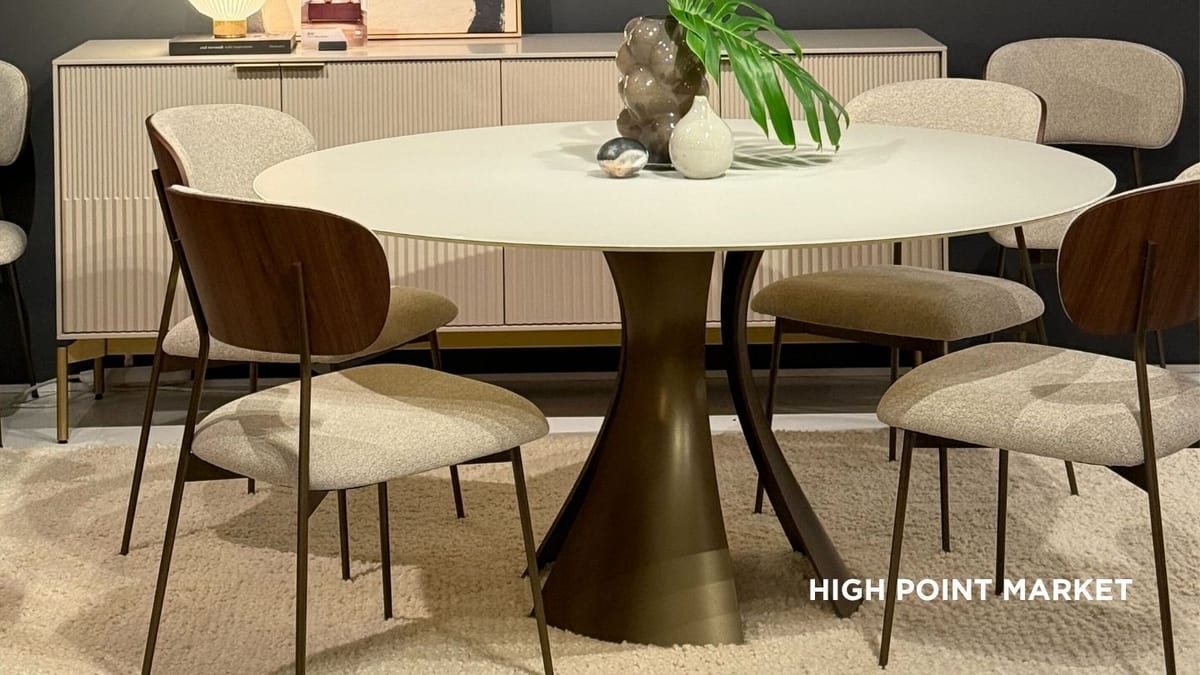
BDI Halcyon dining table displayed at Spring 2026 High Point Market with its Market Snapshot Winner award.

Dining Collection Recognized at High Point Market

This intersection of warm materiality, mixed media, and everyday utility was considered in BDI’s expansion into the dining category. The approach was validated at the 2026 Spring High Point Market, where our new Halcyon Dining Collection was named a Market Snapshot People's Choice Winner.

Rather than pursuing minimalism through elimination alone, the Halcyon collection answers the real-world demand for spaces that support more than just meals. The table is structurally grounded with a walnut frame. To eliminate the layout challenges and visual clutter that typically accumulate around a dining area, discreet storage drawers were integrated directly into the table’s clean profile. Demonstrating how modern design can remain deeply functional and suited to daily use.

Editor's Note: First previewed at the 2026 Spring High Point Market, Halcyon represents BDI’s upcoming expansion into dining. Availability details will be shared closer to launch. Learn more.

Generational Quality

This prioritization of functional durability is anchored in a larger shift across the wider furniture industry. Reflecting the Spring High Point Market theme of “Preserve,” the exhibition's forecasting partner, Future Snoops, highlighted a growing consumer movement away from mass-produced, temporary flat-pack options. Buyers are increasingly seeking out foundational furniture pieces defined by authentic character, structural integrity, and long-term utility.

The philosophy of buying fewer, higher-quality items has transitioned from a sustainability slogan into a primary purchasing metric. At BDI, our material choices are always guided by functional stability. Utilizing premium hardwood veneers over engineered cores is an intentional engineering decision; it ensures the furniture remains highly resistant to warping, splitting, and temperature fluctuations over time. True value is achieved by combining robust joinery, modular flexibility that allows setups to grow with your needs, and construction built for long-term use.

The Hybrid Zone & Invisible Tech

If the past six years have taught us anything, it is that remote and hybrid working has become a permanent lifestyle option. At the same time, because our homes are handling more tech than ever—from multi-monitor setups to AI assistants—the demand for invisible utility has skyrocketed.

Wide-open, un-zoned floor plans are being actively rethought. The goal mid-year isn't to build permanent drywall, but to use architectural furniture such as credenzas, shelving units, and strategic sofa placements to create dedicated, quiet nodes for deep focus and virtual meetings within shared living areas. This layout strategy aligns perfectly with industry insights from Forbes and design expert Cheryl Clendenon, who predicted a movement toward designing for ease and simplifying life. 

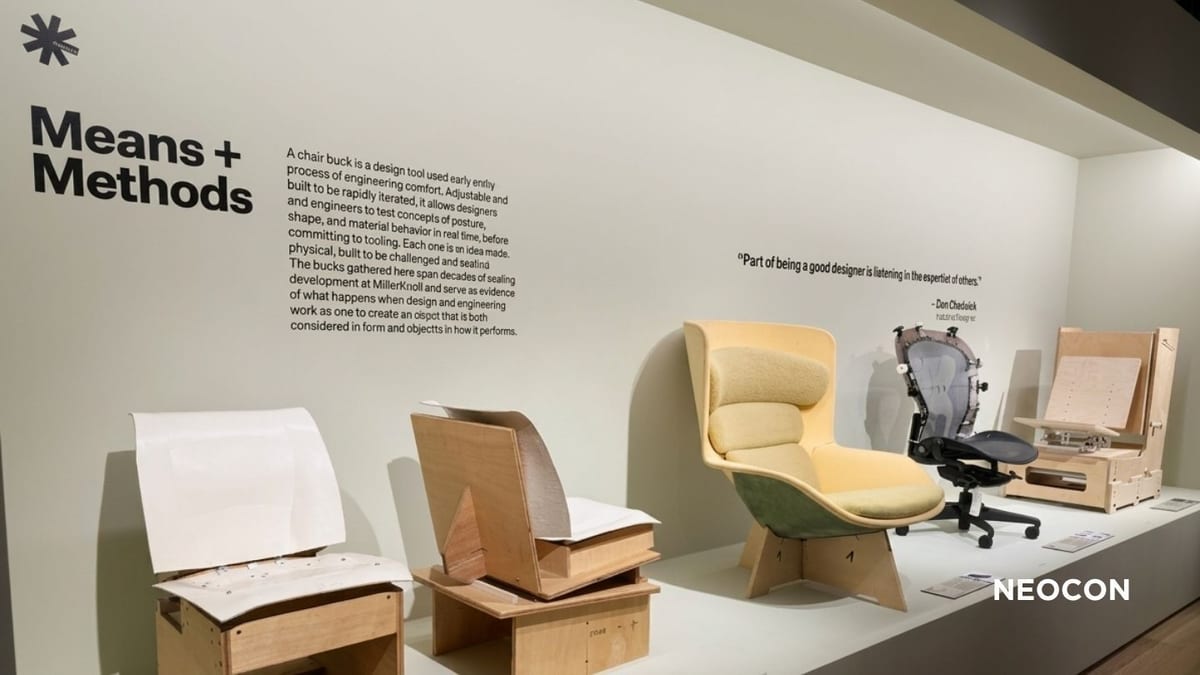
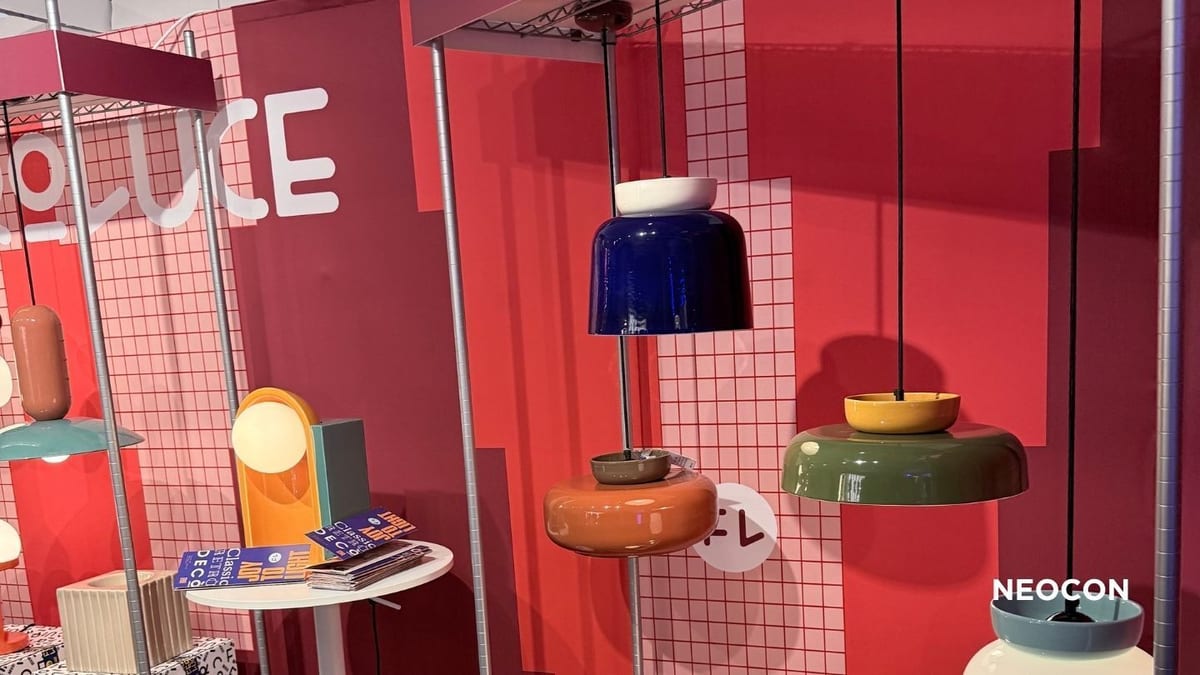
The requirement for adaptive wellness and human-centered engineering was equally dominant on the commercial side of the industry at Chicago's NeoCon. BDI Associate Design Director, Matt Weatherly, shares his observation of the event:

"My biggest takeaway from NeoCon was how much the contract world continues to shift toward a softer, more residential language. Across the Mart and Fulton, there was a clear emphasis on comfort, tactility, and warmth through billowing upholstery, richer earthy colors, and layered materials like stone, wood, and etched glass. The best products still solved real workplace needs, but the technical mechanisms, power, and adjustability were increasingly concealed or visually softened to create an aesthetic that is calmer, more human, and much less corporate." 

While prioritizing storage and cable management isn't a new concept for BDI—as our media and office collections are natively built with integrated wire routing, hidden compartments, and thermal ventilation—this commercial trend reinforces a broader cultural realization. Technology has integrated into our lives, but maintaining mental clarity requires keeping the messy cords and black boxes entirely out of sight.

The Verdict
 

Looking back at the first half of this year and at design shows around the globe, one thing is certain: the design movements defining 2026 aren't trying to shock or disrupt. They are quiet, comforting, and incredibly intentional.

Ultimately, the global design conversation shows that creating a beautiful room isn't about perfectly matching a single style; it’s about building thoughtful contrast through your senses. By embracing a grounded minimalism through rich wood grains, soft neutrals, hidden technology, and thoughtful multi-tone layering, you aren't just jumping on a passing trend. You are organizing an environment designed for long-term use, built to actively support your daily lifestyle.

  • 9
  • 8
  • 10
  • 11
  • 12
  • 13

Inspiration in your inbox.

Sign up for our newsletter to be the first to know about new product launches, special sales, design inspiration, blogs, and exclusive giveaways.