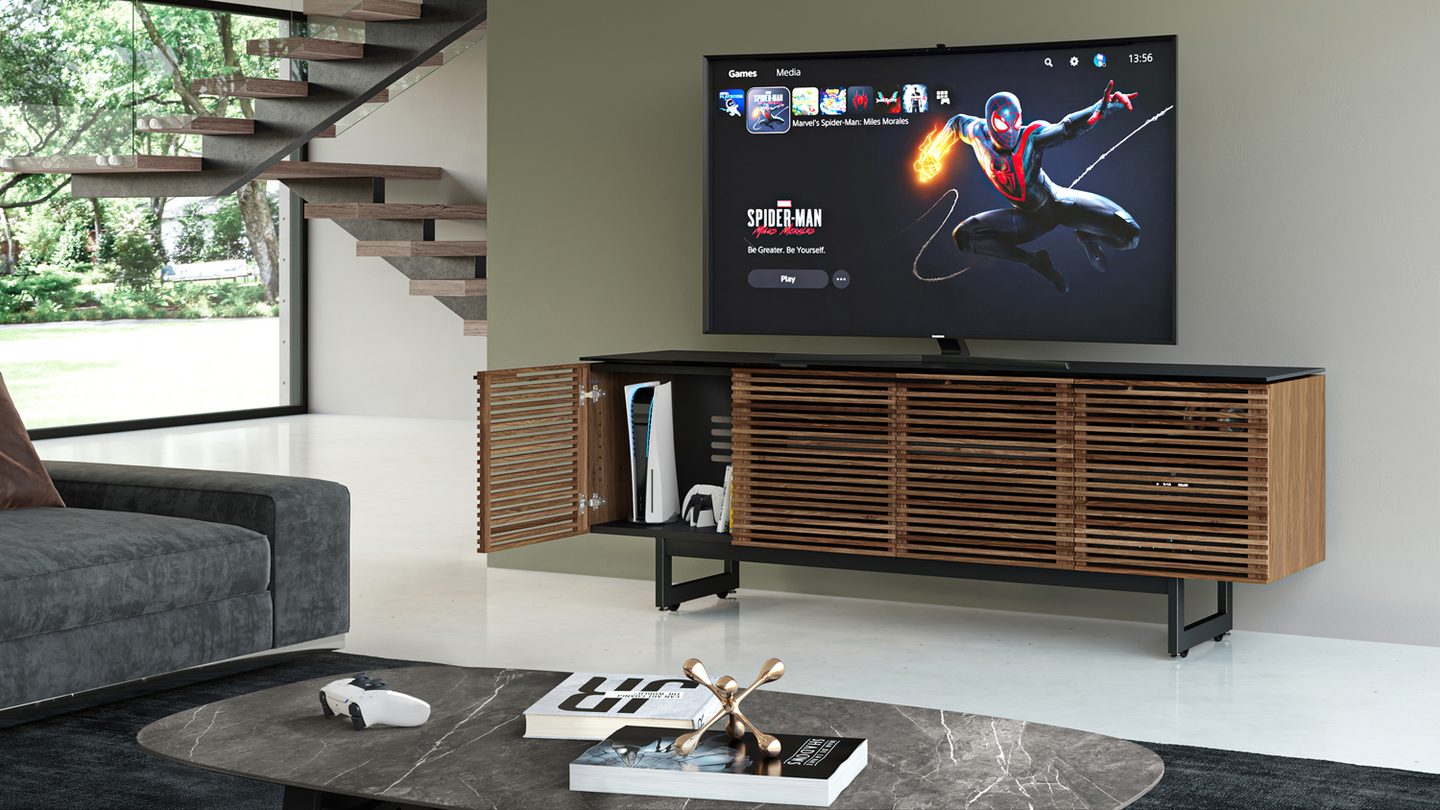
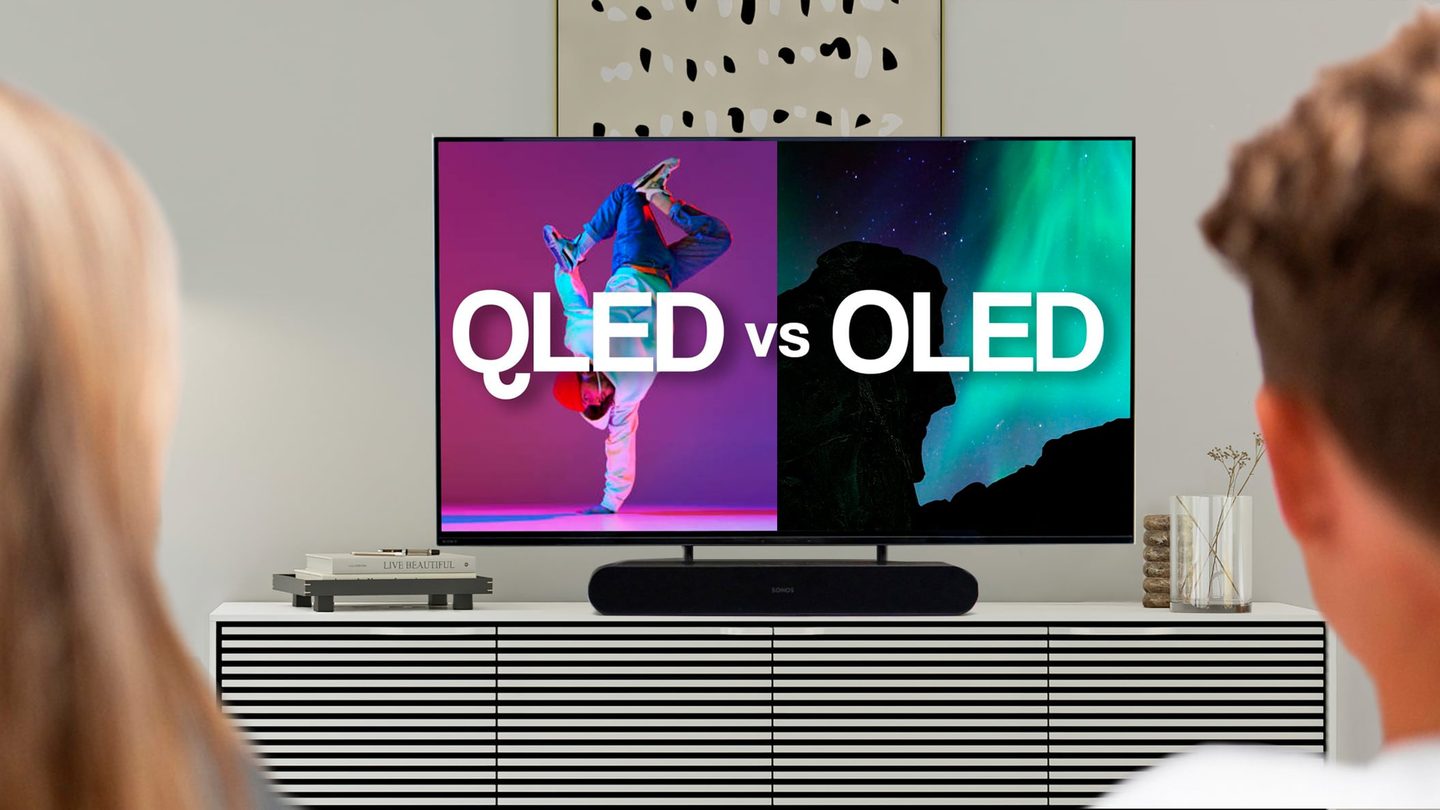
If you’re looking to buy a new television, you’ve probably come across the terms QLED and OLED. Those acronyms can be a bit overwhelming, and figuring out the key differences between these display technologies can be daunting. The choice isn’t black and white—in fact, it involves a whole spectrum of colors.
Understanding the pros and cons of these distinctions is crucial for making an informed purchasing decision. We compare the pros and cons of QLED and OLED TVs to see which one best suits your viewing preferences, room setup, and budget.
BDI Blog
Understanding the Difference Between QLED and OLED Televisions
Key Takeaways: QLED vs. OLED
The right television depends on your room, viewing habits, and budget.
- Consider your room’s lighting. QLED TVs offer greater brightness and perform particularly well in bright or sun-filled spaces.
- Choose OLED for deeper blacks and contrast. Because each OLED pixel can turn off independently, dark scenes appear richer and more detailed.
- Think about where everyone will sit. OLED TVs generally provide wider viewing angles, helping maintain picture quality throughout the room.
- Factor in your viewing habits. QLED is less susceptible to burn-in, while OLED’s fast response time and contrast make it especially appealing for movies and gaming.
- Balance performance with budget. QLED typically provides a bright, vibrant picture at a more accessible price, while OLED commands a premium for its cinematic image quality.
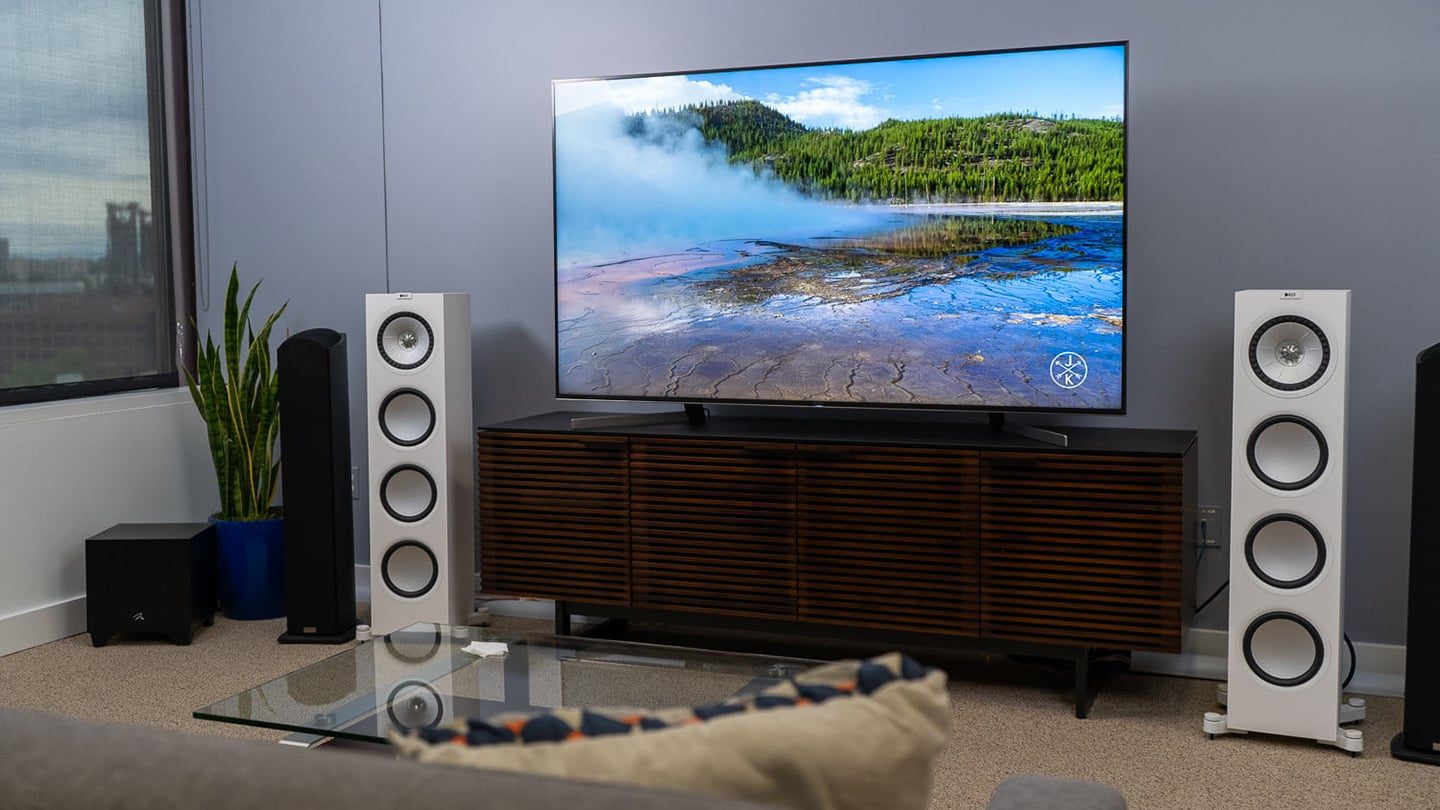

A Spectrum of Color
Choosing the right TV for your space often comes down to the color display, room lighting, and personal viewing experience preferences.
Looking on the Bright Side
QLED uses quantum dots (tiny semiconductor particles) to enhance brightness and burst with color, while OLED (Organic Light Emitting Diode) technology allows its pixels to turn on and off independently, resulting in a richer picture. Below are some key points to consider when weighing these two models.
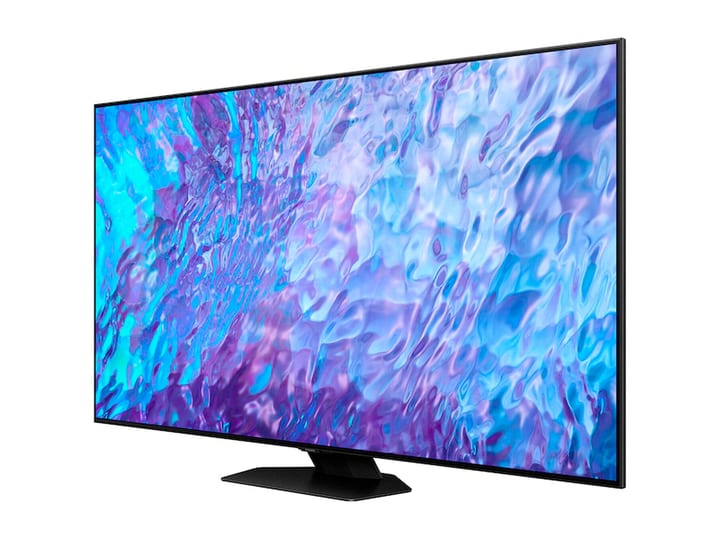
QLED
QLEDs are known for their impressive brightness levels. If your television is in a well-lit room, QLED might be your go-to, as the high brightness ensures the picture remains vibrant and clear even in daylight.
However, QLEDs do have some limitations. They rely on backlighting, which can sometimes lead to less deep blacks than OLEDs, but tend to be the closest you can get to an OLED experience without paying the OLED price.
However, QLEDs do have some limitations. They rely on backlighting, which can sometimes lead to less deep blacks than OLEDs, but tend to be the closest you can get to an OLED experience without paying the OLED price.
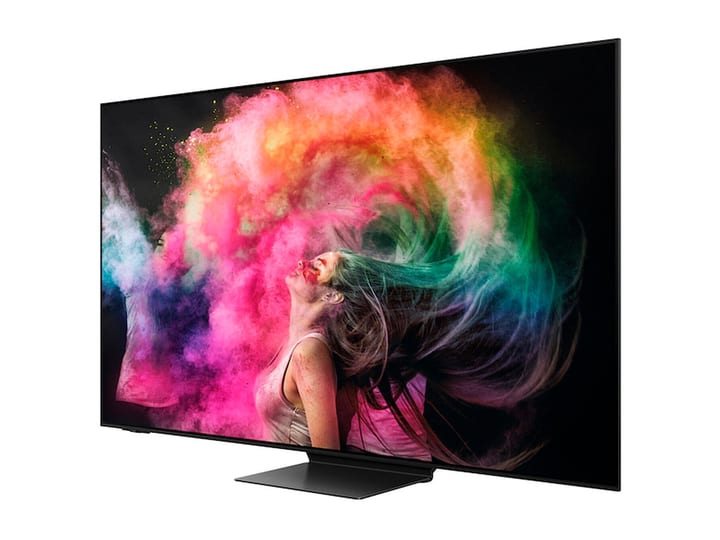
OLED
OLEDs don’t need a backlight—each pixel can turn off completely, achieving true black levels and stunning contrast. This makes dark scenes look incredibly deep and detailed.
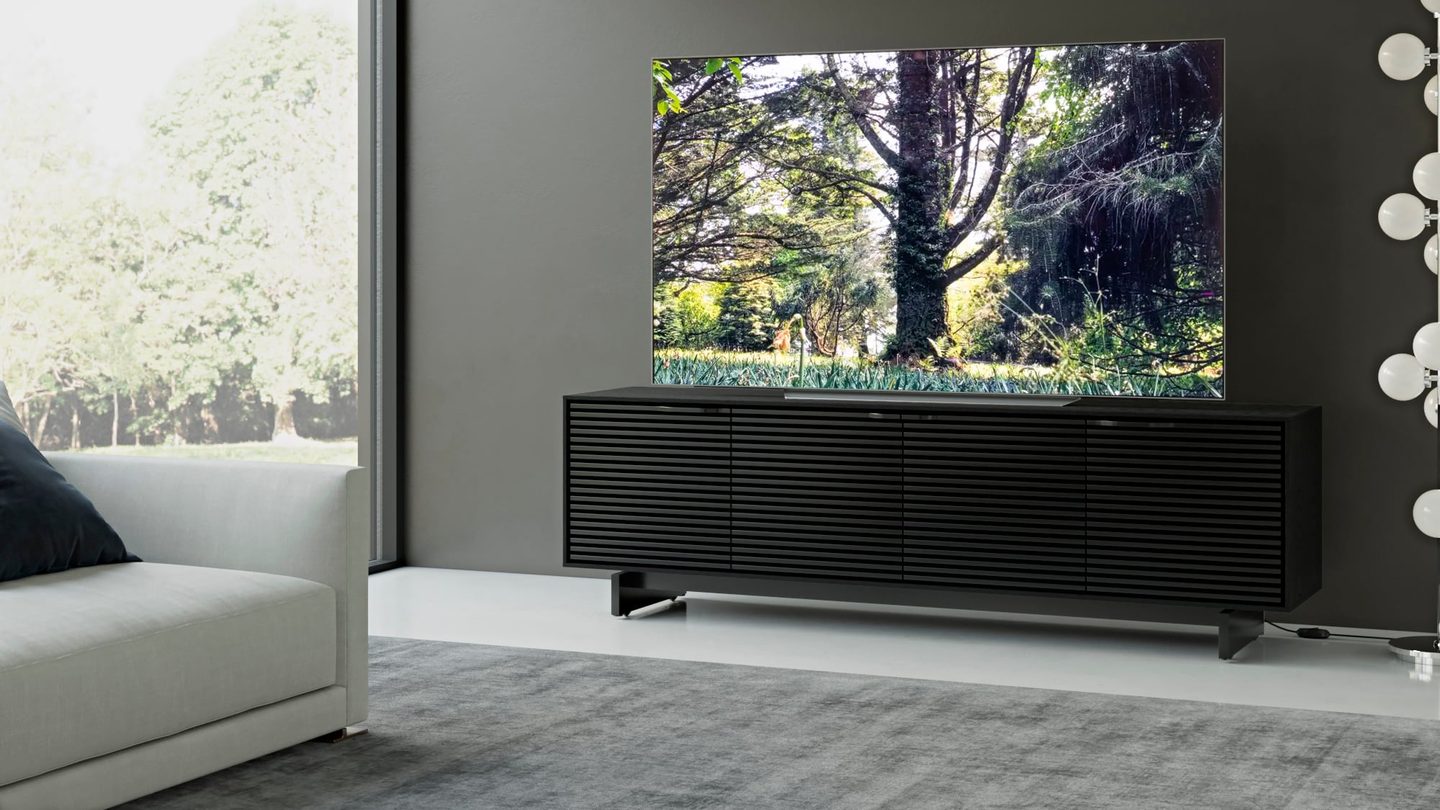
For rooms with lots of natural light, a bright QLED might be a better fit to combat glare. But if you enjoy watching movies in a dark room, OLED’s perfect blacks and high contrast offer a truly cinematic experience.
For rooms with lots of natural light, a bright QLED might be a better fit to combat glare. But if you enjoy watching movies in a dark room, OLED’s perfect blacks and high contrast offer a truly cinematic experience.

Seeing the Light
The amount of light your room receives can be a factor in determining the best TV technology for your space.
Consider All of the Angles
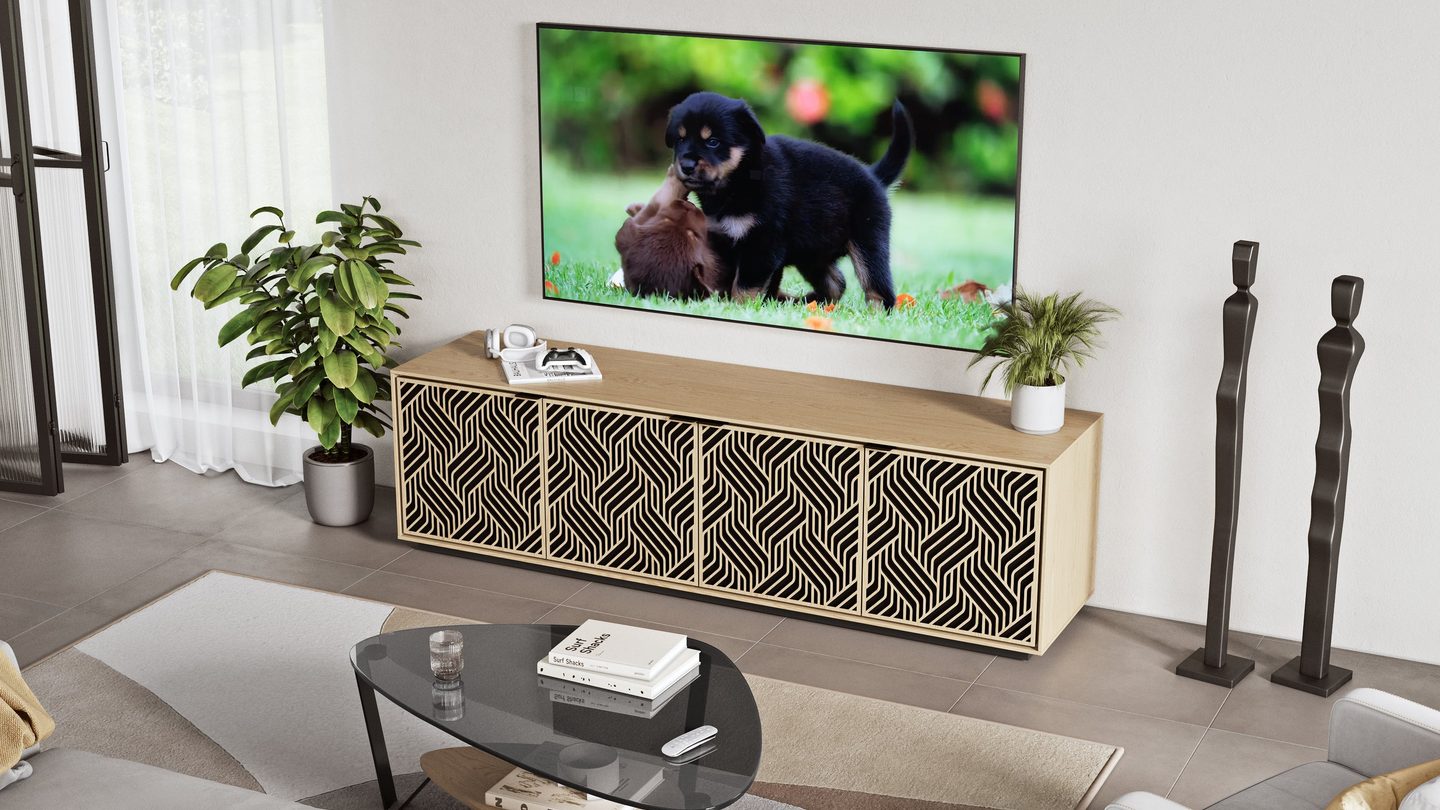
QLED and OLED TVs mount easily on the wall, but OLEDs shine with superior viewing angles. Whether directly in front of the TV or off to the side, the picture quality remains consistently vibrant, ideal for family movie nights when everyone wants the best view. OLED panels are also exceptionally thin and can be flexible, creating sleek, art-like displays on your wall.
While offering more limited viewing angles, QLED TVs have an edge in bright rooms. Their backlight and anti-reflective layer help reduce glare, making QLEDs a top choice for well-lit spaces.


Room With a View
Before choosing your LED technology, consider the layout of your space, from the position of your TV to your seating arrangement.
The Long Game
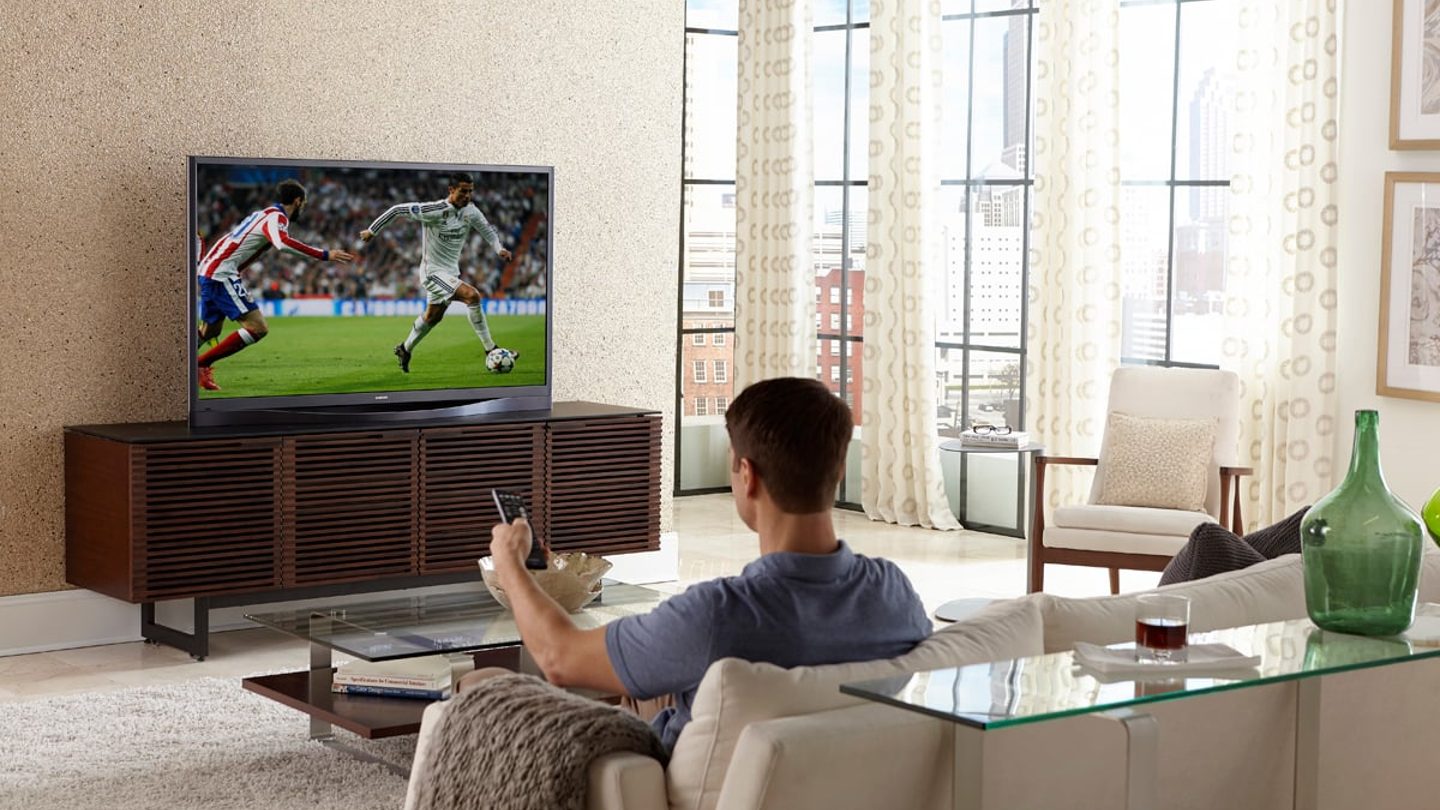
Both OLED and QLED TVs offer fast refresh rates of 120Hz or higher, making them excellent for action-packed and fast-moving content like live sports and gaming. However, OLEDs typically feature speedier response times, giving them an edge for die-hard gamers seeking smooth visuals.
That said, OLEDs are more susceptible to burn-in if static images are displayed for long periods, which can leave a faint image "shadow" on the screen. Newer OLED models include features to reduce this risk, but it’s something to consider for heavy use.
With their quantum dot technology, QLEDs are generally more durable against burn-in, making them a strong choice for extended viewing. They also tend to be more affordable than OLEDs, so if durability and price are top priorities, QLED may be your best option.
Face Value
While QLED TVs are generally less expensive than OLEDs, even more budget-friendly options are available. LCD (Liquid Crystal Display) and LED (Light-Emitting Diode) TVs are worth considering. They’re both energy-efficient, helping to reduce electricity costs, and come in various sizes with wall-mounting capabilities. However, unlike OLEDs and QLEDs, these displays lose picture quality at wider viewing angles, and the image clarity isn’t as sharp as the higher-end options.
Due to more precise resolution control, LED TVs offer better contrast and deeper blacks than LCDs, especially for HDR content. Additionally, LEDs tend to have longer lifespans, which can be a deciding factor. One drawback of LCDs is susceptibility to light bleed and dead pixels over time, which can affect display quality. LED might be the smarter choice for those prioritizing durability and lower costs.

Shop Around
Take the time to research and then compare and contrast the different technologies to see what works best within your budget.
The Big Picture
When investing in a new television, it’s essential to consider not only the immediate features but also its longevity. Look for a model that fits your budget and is as future-proof as possible—something that will stay relevant and provide an excellent viewing experience for years before lagging technology becomes a drawback.
Weigh the pros and cons of each type based on your viewing habits, room conditions, and budget. If you want superior picture quality, wide viewing angles, and don’t mind investing more, OLED is the gold standard. Prefer brightness and durability? QLED is a solid choice. Looking for affordability? LED and LCD provide great value without sacrificing too much performance.
With the incredible advances in television technology, whatever you choose will be a treat for the eyes.